
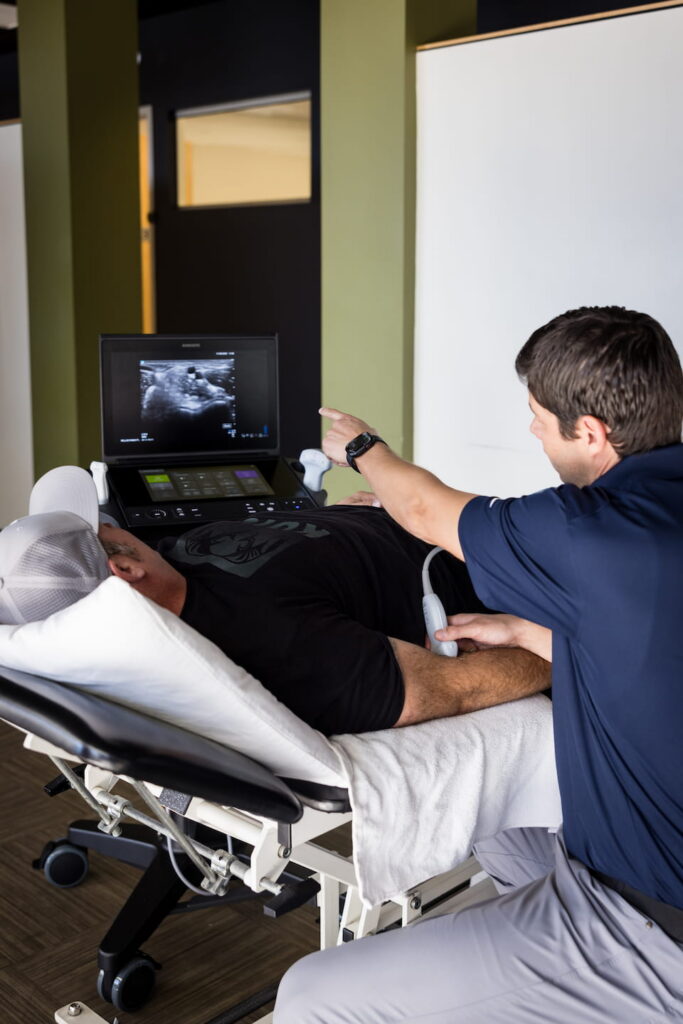
A common frustration with traditional healthcare is how long everything takes. You notice a problem. You wait for an appointment. Then you get referred somewhere else. Then you wait again. By the time you finally have answers, you’ve lost weeks.
“One Visit” care is the opposite. It means you can discuss symptoms, get evaluated, and often get the next step done during the same visit. Not every issue can be fully solved in one appointment, but having more services available in-office can dramatically reduce delays and extra runaround.
What “One Visit” care means
“One Visit” care means more of your care happens in one place, with one clinician, and one plan. Instead of splitting care into multiple appointments across multiple offices, you can often:
- Talk through symptoms and your history
- Get examined
- Receive in-office testing or evaluation (when appropriate)
- Leave with clear next steps
The biggest benefit isn’t just convenience. It’s speed. When you can evaluate an issue sooner, you can start treatment sooner.
The traditional “multi-appointment” loop (and why it’s exhausting)
For many patients, common health concerns trigger a chain reaction:
- Primary care visit
- Referral for testing, imaging, or a procedure
- Separate appointment at a different location
- Waiting for results
- Another follow-up visit to review results and decide what to do
Even if each step is reasonable, the time between steps adds up. The result is often:
- Delayed treatment
- More time off work or school
- More stress and uncertainty
- More out-of-pocket costs (copays, facility fees, and duplicate visits)
How in-office services speed up care
When primary care can offer more services in-office, you cut down the number of handoffs. That often means:
- Faster answers (same day or next day instead of weeks)
- Fewer separate appointments
- A clearer plan before you leave
- Less “medical ping-pong” between offices
In other words: fewer hoops.
Common examples of “One Visit” care
Here are a few real-world ways in-office services can speed up treatment:
Example 1: A sports injury that needs quick clarity
You twist a knee or strain a shoulder. You’re not sure if it’s serious.
With in-office evaluation and appropriate tools, you may be able to:
- Get examined
- Identify likely causes
- Discuss a treatment plan right away
- Decide if imaging or referral is actually needed
Example 2: A procedure that can be done right then
Some concerns don’t require a specialist or a facility. In-office procedures can reduce delays for things like:
- Joint or soft tissue injections (when appropriate)
- Minor skin procedures
- Other common primary care procedures based on your doctor’s scope and setup
Example 3: The “Do I really need urgent care?” situation
Many people go to urgent care because they want answers quickly. In-office services plus direct access can reduce unnecessary urgent care visits by helping you:
- Get guidance sooner
- Get evaluated sooner
- Know what’s normal, what’s not, and what to do next
Why this matters for families
For families, time isn’t just inconvenient. It’s a logistical problem. When care is spread across multiple appointments, it can mean:
- More missed school days
- More missed work
- More childcare juggling
- More stress for parents and kids
“One Visit” care helps reduce the load. Even when you still need outside imaging or specialty care, starting with a complete plan makes everything smoother.
What Direct Primary Care adds to the equation
In Direct Primary Care, the goal is not just to offer more time during visits. It’s to reduce friction across the entire care experience.
When you have:
- Longer visits
- Direct access to your doctor
- Care coordination support
- Transparent pricing
…it becomes easier to take care of small problems before they become big ones, and to move faster when something truly needs attention.
Learn more:
- Membership & Pricing: https://rellasfamilymedicine.com/membership-pricing/
- Services: https://rellasfamilymedicine.com/services/
“One Visit” Care FAQs
Q: What does “One Visit” care mean?
A: It means more evaluation and next steps can happen during the same visit, which can reduce referrals, delays, and extra appointments.
Q: Does “One Visit” care mean you never need a referral?
A: No. Some issues still require specialists, outside imaging, or advanced testing. The benefit is starting with a clear plan and completing as much as appropriate in one place.
Q: Is in-office care always cheaper?
A: Not always, but it often reduces costs tied to extra appointments, facility fees, and repeat visits. It can also save time, which matters for many families.
Q: Can in-office services help avoid urgent care visits?
A: Often, yes. When you can get faster guidance and evaluation through your primary care office, you may be able to avoid unnecessary urgent care trips.
Q: What kinds of services can primary care do in-office?
A: It depends on the practice. Many offices can provide certain procedures, testing, and evaluations on-site. It’s always a good idea to ask what’s included.